The Mad Hatter
Lewis Carroll, hats, and the murder of Time
My favourite fact from Stockport’s Hat Museum:
In the 19th and 20th centuries, the beaver and rabbit fur used to make hats was treated with mercury before it arrived at the factories. Consequently, many hat factory workers suffered from mercury poisoning, leading to headaches, confusion, and erratic behaviour. Hence the phrase: “mad as a hatter”.
Here is Lewis Carroll’s Mad Hatter, in conversation with Alice in Alice’s Adventures in Wonderland:
“I think you might do something better with the time,” she said, “than wasting it by asking riddles that have no answers.”
“If you knew Time as well as I do,” said the Hatter, “you wouldn’t talk about wasting it. It’s him.”
“I don’t know what you mean,” said Alice.
“Of course you don’t!” the Hatter said, tossing his head contemptuously. “I dare say you never even spoke to Time!”
“Perhaps not,” Alice cautiously replied; “but I know I have to beat time when I learn music.”
“Ah! That accounts for it,” said the Hatter. “He won’t stand beating. Now, if you only kept on good terms with him, he’d do almost anything you liked with the clock. For instance, suppose it were nine o’clock in the morning, just in time to begin lessons: you’d only have to whisper a hint to Time, and round goes the clock in a twinkling! Half-past one, time for dinner!”
The Hatter never says how he became mad, so we will will never know whether it was due to mercury poisoning. He goes on to say that the clock stopped listening to him after the Queen accused him of “murdering the Time”.
My brother came to visit me this weekend. I’d like to think we spent Time rather than murdered it (or, rather: him). We started at the Hat Museum. The exposure to mercury was one of a long list of health and safety risks the workers faced; many, for instance, lost all feeling in their hands from constantly soaking the felt used to make the hats in boiling water. It was a different Time.
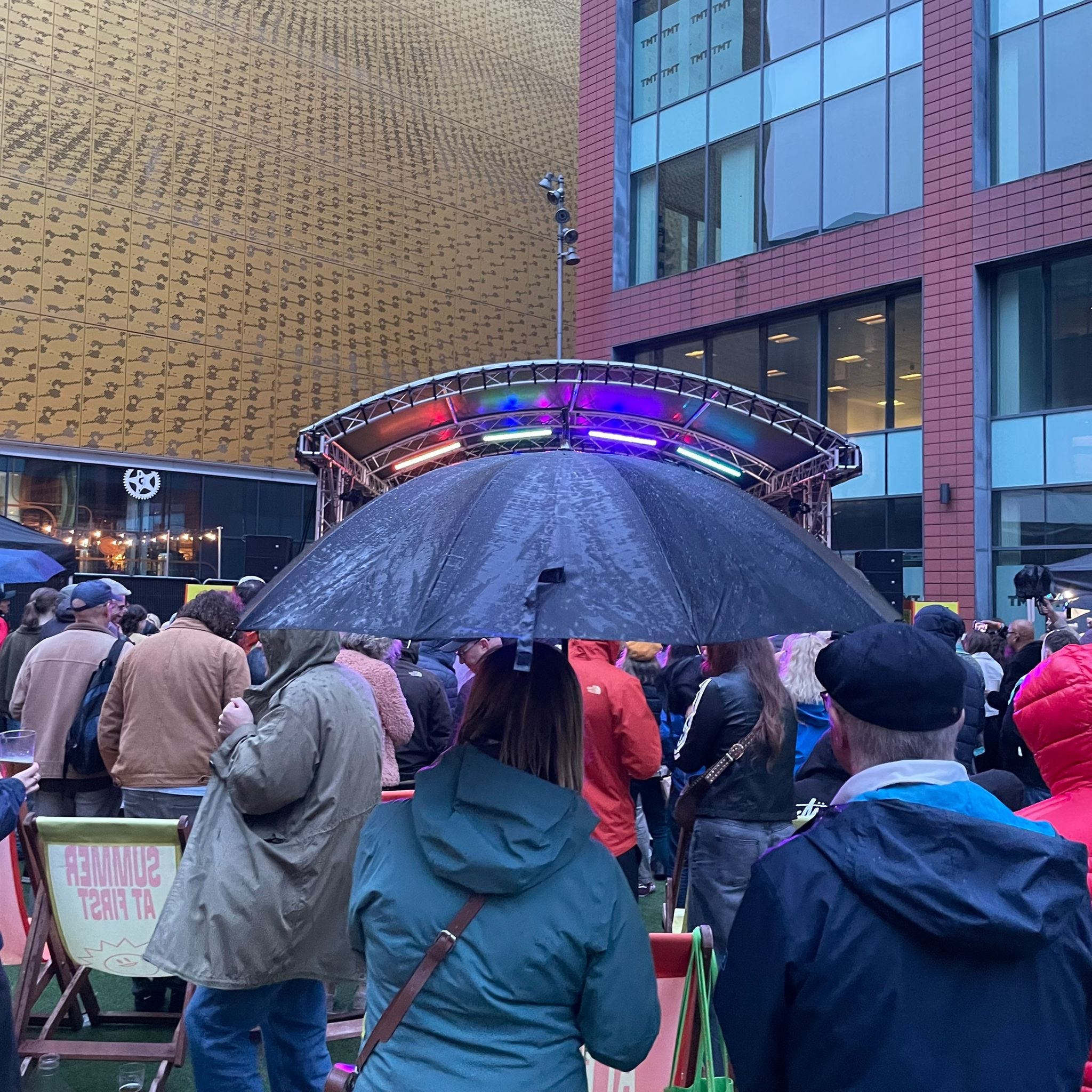
We returned to Manchester to watch a documentary about Northern Soul - an underground music scene popular in the north of England in the 70s and 80s. Young people would get together to take amphetamines and acrobatically dance to rare 60s American soul tracks. The interviewees in the documentary were nostalgic for that Time, when they would dance to music played by DJs who were themselves nostalgic for a Time even before theirs. Northern Soul is now experiencing a revival, once again popular with people (like me) who are nostalgic for the previous generation’s nostalgia.
The Mad Hatter’s alleged murder of Time results in tragic consequences:
“And ever since that,” the Hatter went on in a mournful tone, “he won’t do a thing I ask! It’s always six o’clock now.”
A bright idea came into Alice’s head. “Is that the reason so many tea-things are put out here?” she asked.
“Yes, that’s it,” said the Hatter with a sigh: “It’s always tea-time, and we’ve no time to wash the things between whiles.”
In Alice’s Adventures in Wonderland, “tea-time” means the literal drinking of tea. In the north, “tea” means dinner.
As my brother and I left the cinema, we stumbled into the Manchester Jazz Festival. We danced to the music. Maybe one day, I will be nostalgic for this Time.
I did other things this week, too:
Food: Pho Cue, Chinatown; The Mekong Cat, Stockport
Drink: Salut, St Peter’s Square
Pastries: Half Dozen Other, Red Bank, Green Quarter
Film: Northern Soul: Still Burning (2026)
Song: Tainted Love, Gloria Jones (1964)
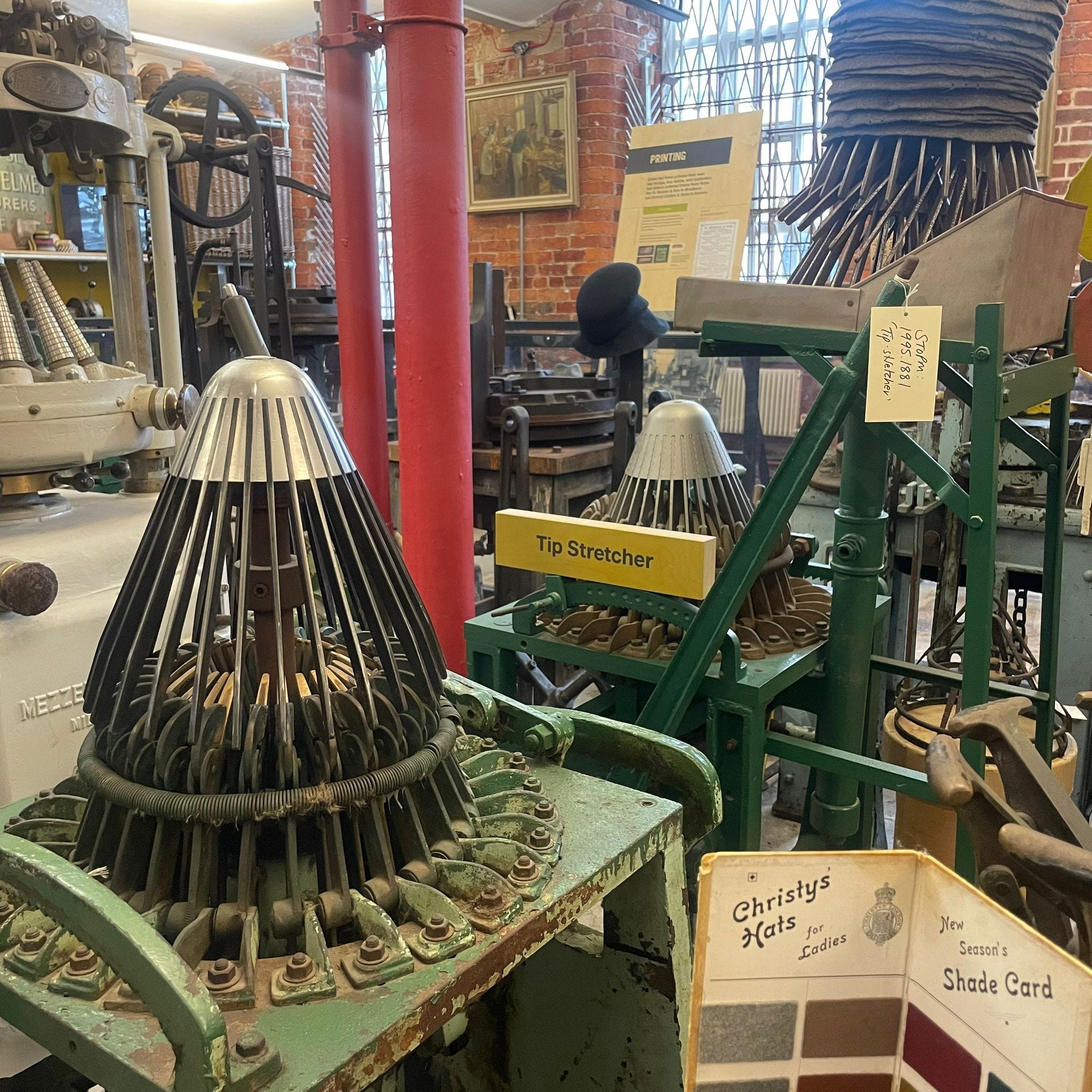
And finally, a piece of machinery from the Hat Museum…
See you next week.