Four ways to sing
Chart-toppers, football chants, Yiddish folk, birdsong
I was walking home from the tram with a cello on my back when I bumped into a man with a baby bird on his hat. It was singing quietly, but clearly had no intention of moving.
The man told me that it had been on his head for fifteen minutes. His friend had gone into the nearby Sainsbury’s Local to buy a bread roll in an attempt to feed it. I asked him if he had seen Kes - a 1969 film in which a young boy called Billy walks around Barnsley with a kestrel on his arm. He said no. I told him that there hadn’t been as many people taking pictures of Billy with their iPhones.
Eventually, after some encouragement, the baby bird flew onto a branch, and then onto the overhead tram lines. We watched in fear as a tram went by. Fortunately, the bird was unharmed. We eventually lost sight of it, but we could still hear it singing.
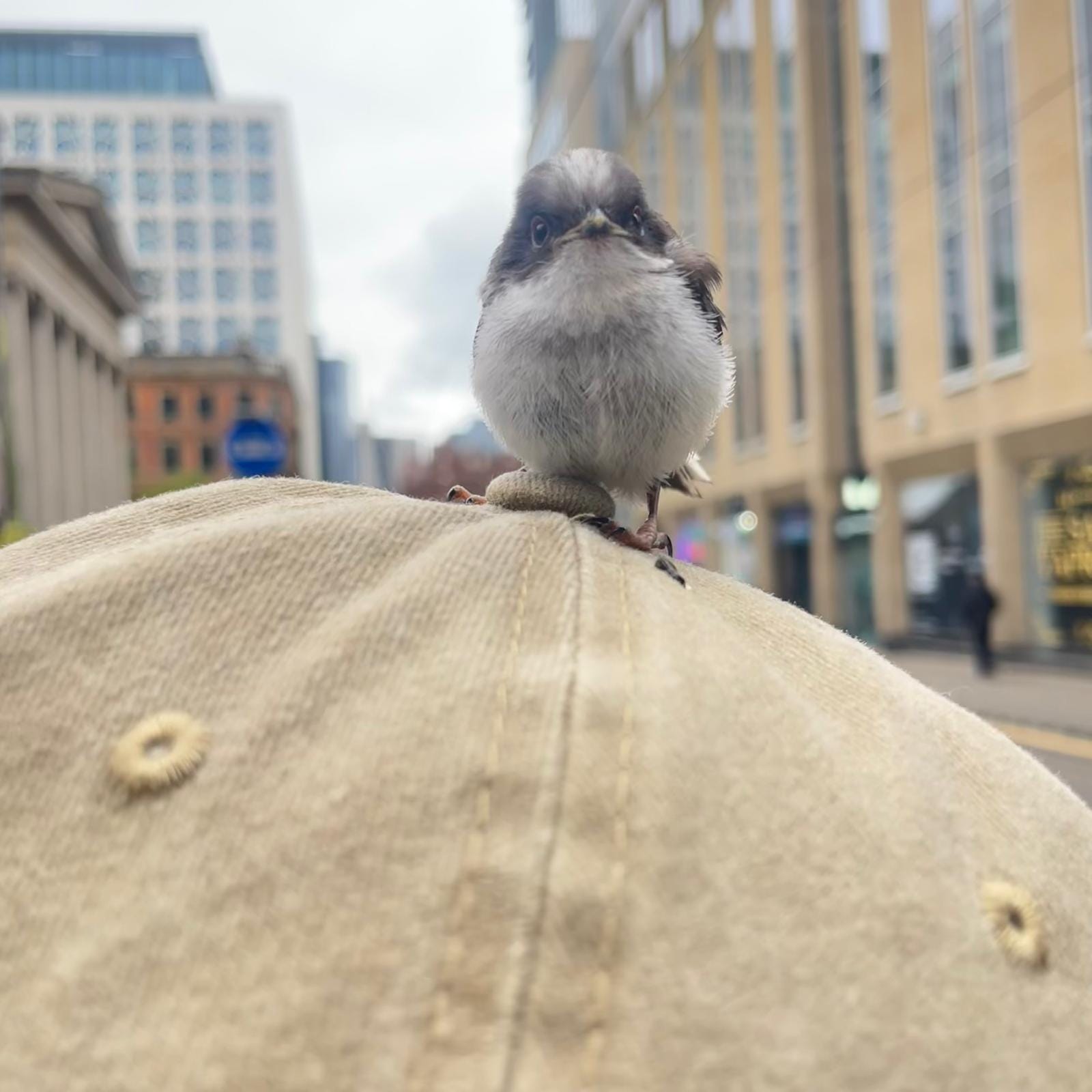
I had this chance encounter while on my way back from participating in a different kind of singing. After playing klezmer music at the Jewish Museum for a few hours (thanks Mum for the encouragement), I asked the musicians if they knew of any groups that got together to sing Yiddish songs (an untapped interest of mine since I wrote an article on the Jewish folk revival for Jewish Renaissance magazine some time ago). The next thing I knew, I was squeezed into the back of a car, packed next to a double bass, an accordion, and my cello, on the way to a Yiddish singing group at a house in Chorlton.
The driver of the car had been playing the double bass in the klezmer group that afternoon. She also happened to be an almost-fluent Yiddish speaker, a leading figure in the British klezmer scene, and the former bassist of a semi-famous 1970s anarcho-feminist punk band. Later, I told this story - punctuated by feeble tweeting - to the man with the bird on his head and we agreed there was serious competition for the most unlikely experience I had had that day.
There were eight of us at the singing group - some young, some old - in a room packed with art and cardboard boxes. One of the singers had gone to my school many decades before me. We sang various songs together. One tune - “Tumbalalaika” - I already knew; I had learned it ten years before from another klezmer musician - known to many of the group - who had been my music teacher.
What can grow, grow without rain?
What can burn and never end?
What can yearn, cry without tears?
Tumbala, Tumbala, Tumbalalaika…A stone can grow, grow without rain
Love can burn and never end
A heart can yearn, cry without tears
Tumbala, Tumbala, Tumbalalaika…
It was fun to sing together. The group bond that was formed felt familiar; only the day before, A, R and I had joined in as 30,000 Bolton fans sang for their team in the last game of the League One season. And the night before that, R and I had joined in with a pub full of people singing along to chart-toppers at the local Irish bar. The content of the songs were different each time, but the result was the same.

Back at the tram lines, I stood listening to the baby bird for a while. I hoped that it would soon find another to join in with its song.
I did other things this week, too.
Food: Birria Brothers, Northern Quarter
Drink: Old Nag’s Head, Deansgate
Dancing: Nancy Spains, Northern Quarter
Something I found funny: “Lofty”, the Bolton mascot/man dressed in a lion costume, went in a matter of seconds from posing for pictures and high-fiving toddlers to chasing the linesman along the touchline in order to shout abuse. Versatile.
Something else I found funny: The man behind me at the match saying: “Bradford away on a Wednesday night? Fuck that. I mean, I’ll go, but still.”
Finally, Bolton high street on a Saturday evening:

See you next week.
Um cha-cha um cha